

English Syllabus: Hollywood’s Great Retreat into the Canon
Hollywood’s Retreat Into the Canon Signals Creative Exhaustion

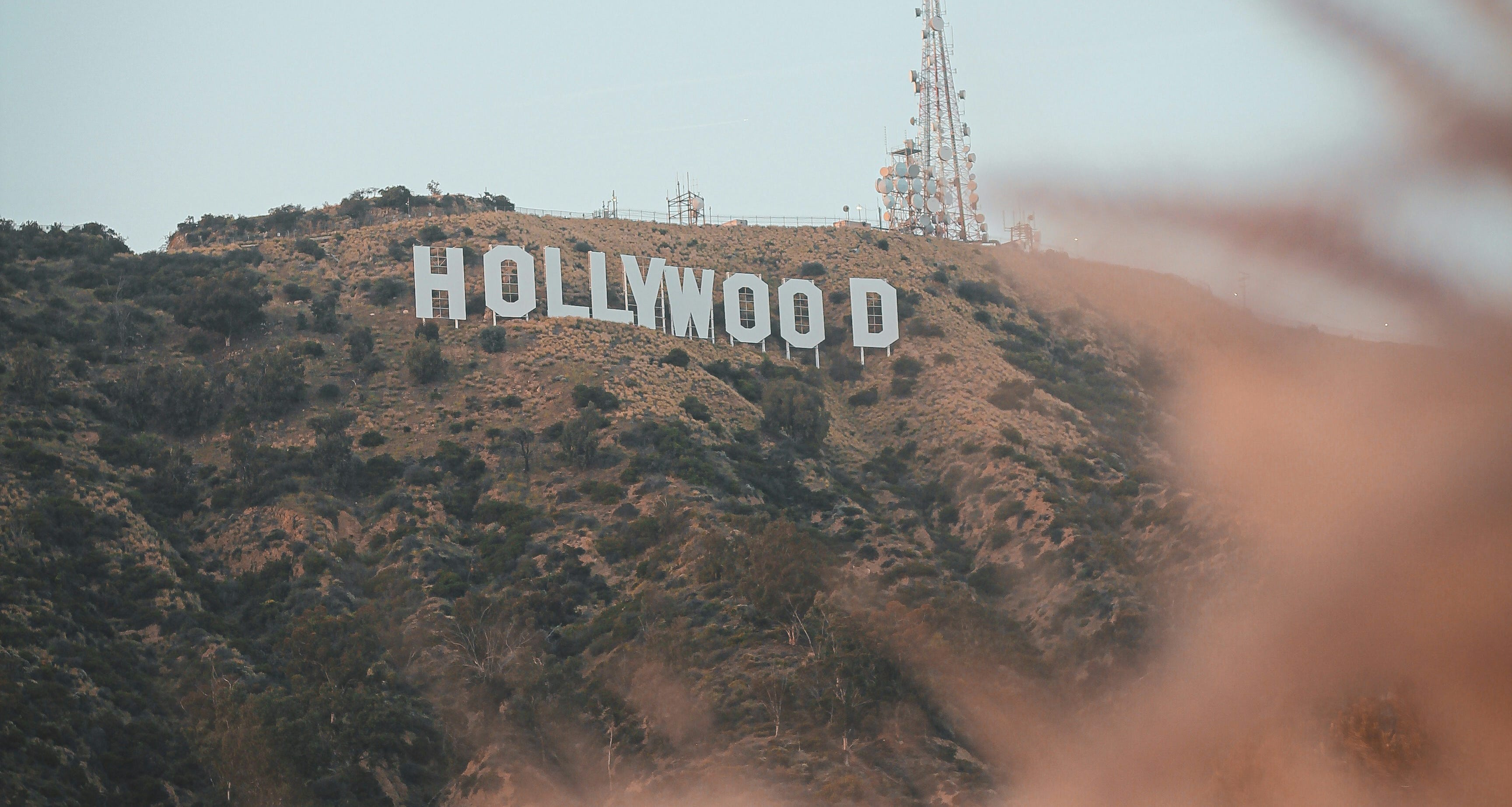
Hollywood in early 2026 has paused being an engine of the future, transforming instead into a high-fidelity retrospective. As of March, the year’s most anticipated cinematic events are not based on original scripts or even the waning embers of comic-book multiverses, but on the heavy, weathered pillars of the Western literary canon. The industry is currently anchored by two massive, divergent interpretations of antiquity: Emerald Fennell’s February release of Wuthering Heights and the growing shadow of Christopher Nolan’s mid-summer epic, The Odyssey. Far from run-of-the-mill adaptations, they represent a pivot in the cultural psyche. A lunge toward “mythology-core” as structural hedge against an unsettling present.
The Architecture of the Hedge
The conventional studio narrative sprinkles the shift as a celebration of timeless storytelling with lashings of “universal truths.” Executives highlight built-in recognition, proven emotional architecture, and lower creative risk in an era of streaming fragmentation. Why gamble on some untested sci-fi universe when Brontë and Homer arrive with generations of A/B testing?
Yet, this explanation ignores the cold, economic calculation lurking beneath the surface. In an era where generative AI has flooded the market with “original” content, creating a “synthetic feed” where new worlds are manufactured with a prompt, originality has suffered somewhat of a devaluation. When “new” is free and seemingly infinite, it becomes disposable. To survive this inflationary crisis of creativity, Hollywood is retreating to the one thing a machine cannot manufacture: ancestral authority.
By choosing Brontë and Homer, the industry is buying into a form of cultural insurance. These texts have survived the fall of empires and the transition from parchment to pixel. In the volatile social climate of 2026, studios are no longer interested in the risky labor of building new lore; they are strip-mining the canon for its permanence.
Fennell, Nolan, and the Schism of Interpretation
The two anchors of this movement reveal a deep schism in how the 2026 industry handles the past. Emerald Fennell’s adaptation of Emily Brontë’s Wuthering Heights (released February 13, 2026), starring Margot Robbie and Jacob Elordi, treats the source material as a high-fashion mood board. Critics have described it as a “maximalist, sexed-up interpretation” that prioritizes aesthetic gloss over the psychological rot of the original novel. Fennell has essentially turned Brontë into a brand, utilizing “dark academia” aesthetics to court a generation that consumes culture as a series of visual markers. It is the canon repurposed for a world that views history through a filtered lens.
In stark contrast, Christopher Nolan’s $250 million production of Homer’s The Odyssey (set for July 17, 2026) represents a pivot toward tactile realism. By utilizing massive IMAX 70mm rigs and rejecting digital intervention for the mythic encounters of Odysseus (Matt Damon), Nolan is attempting to make the ancient world physically undeniable. It’s a rejection of the digital sheen that defines the 20’s. Not content with filming a myth, Nolan is building a monument. While Fennell treats the past as a costume, Nolan treats it as a fortress, using the sheer physical scale of antiquity to combat the ephemeral nature of the streaming age.
2026 is shaping up to be an epic year for throw-back cinema, dominated by massive sci-fi and fantasy installments such as Avengers: Doomsday, The Mandalorian & Grogu, and the Hunger Games prequel, Sunrise on the Reaping. The blockbuster calendar also features the return of Tom Holland in Spider-Man 4. Beyond major franchises, audiences can look forward to a diverse range of spectacles including Masters of the Universe, Supergirl: Woman of Tomorrow, and a 1980s-set sci-fi Flowervale Street. The year is rounded out by high-stakes thrillers and long-awaited sequels like 28 Years Later: The Bone Temple, Apex, Scream 7, and Pixar’s Toy Story 5. Oh, and Practical Magic. Yeah, really.
The Mythic Re-Parenting of Pop Culture
Our current penchant for looking back spills far beyond the cinema, saturating the sonic landscape as well. Taylor Swift’s lead single, “The Fate of Ophelia,” from her October 2025 album The Life of a Showgirl, serves as a musical manifesto for this era. By reframing Shakespeare’s tragic figure through a dance-pop lens of rebirth and self-possession, Swift is engaged in what some now call “mythic re-parenting.” A therapeutic process of becoming your own nurturing parent, meeting emotional needs (safety, validation, care) that, perhaps, were missed during childhood. It involves developing a kind internal voice, setting boundaries, and reparenting the “inner child” to heal trauma, break negative patterns, and foster self-love.
This is the core impulse of 2026: we are no longer capable of inventing new metaphors to describe our anxieties, so we have begun performing surgery on old archetypes and feel-good anchors to make them livable. Swift’s move, much like Nolan’s choice to use Emily Wilson’s modern translation of The Odyssey, is a form of cultural recycling. We are fixing and fixating on the past because the present feels structurally unfixable.
Stagnation as a Design Choice
As Nolan prepares the “Scylla and Charybdis” sequence for a July release, the irony is inescapable. The industry that once defined itself by its ability to imagine the impossible resembles a museum curator, importing antiquity to fill a void where the future used to be. And regurgitating the rest.
The 2026 slate promises epic scope, gothic passion, and perhaps just too many reboots, but beneath the spectacle lies a quiet, institutional admission of defeat: in a world where we can no longer see what comes next, the safest story is always the one that has already been told. The next episode. Hollywood is skittish about dreaming forward; it is dreaming backward and about the familiar, hoping that the solidity of the canon can keep the screen from going dark in a somewhat uncertain world.